


Both Cirrus SR22 Turbo (SR22T) and the Cirrus SR22 non-Turbo (SR22) models, offer exceptional performance, advanced technology, and luxurious comfort, but there are key differences that may influence your decision. Let's discover the best for you.
Is it Better to Choose the Cirrus SR22T or SR22?
When it comes to selecting a high-performance single-engine aircraft, the Cirrus SR22 series stands out as a top choice for many pilots and aviation enthusiasts. Within this series, you have the option of the Cirrus SR22 Turbo (SR22T) and the Cirrus SR22 non-Turbo (SR22). Both models offer exceptional performance, advanced technology, and luxurious comfort, but there are key differences that may influence your decision. In this article, we’ll compare these two models to help you determine which aircraft is best suited to your needs, especially when flying with a full passenger load.
The professional assistance from Superba Consulting will help you identifying all the critical aspects and during the choice of your next aircraft, the best characteristics suitable for you needs.
Key Differences
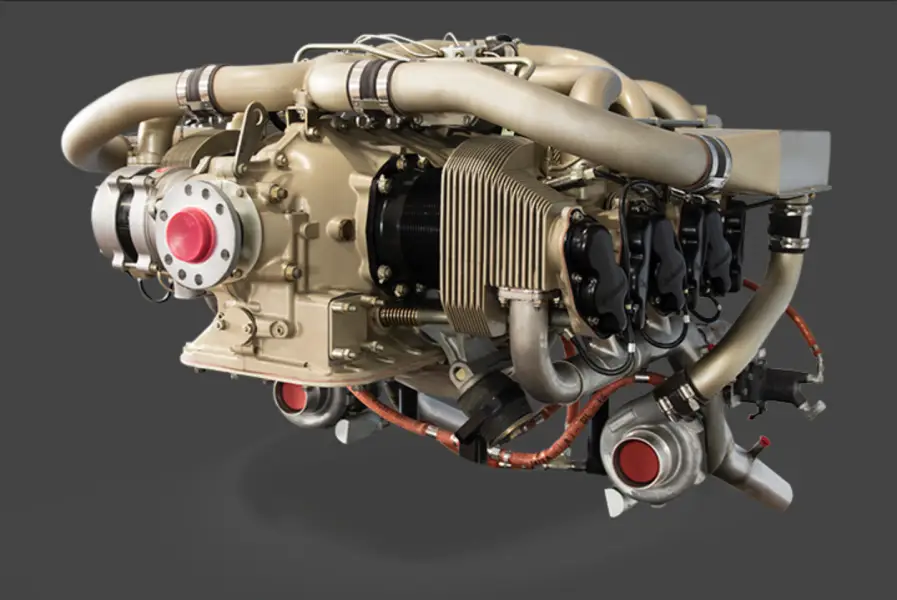
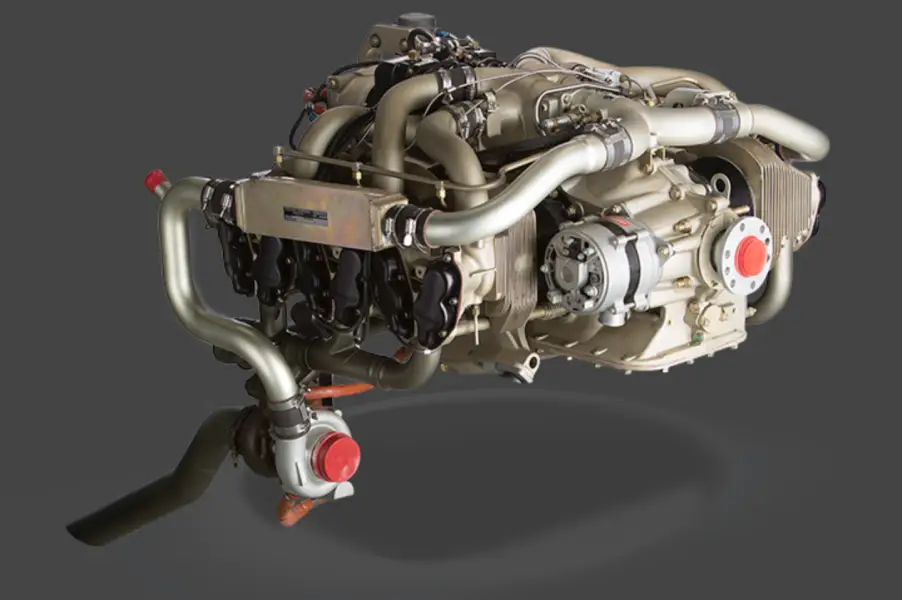
The SR22T is equipped with a turbocharged Continental TSIO-550-K engine, producing 315 horsepower. This turbocharged engine allows the SR22T to maintain higher performance at higher altitudes, providing a significant advantage for pilots who frequently fly over mountainous terrain or in regions with higher elevations. The SR22, on the other hand, is powered by a normally aspirated Continental IO-550-N engine, producing 310 horsepower.
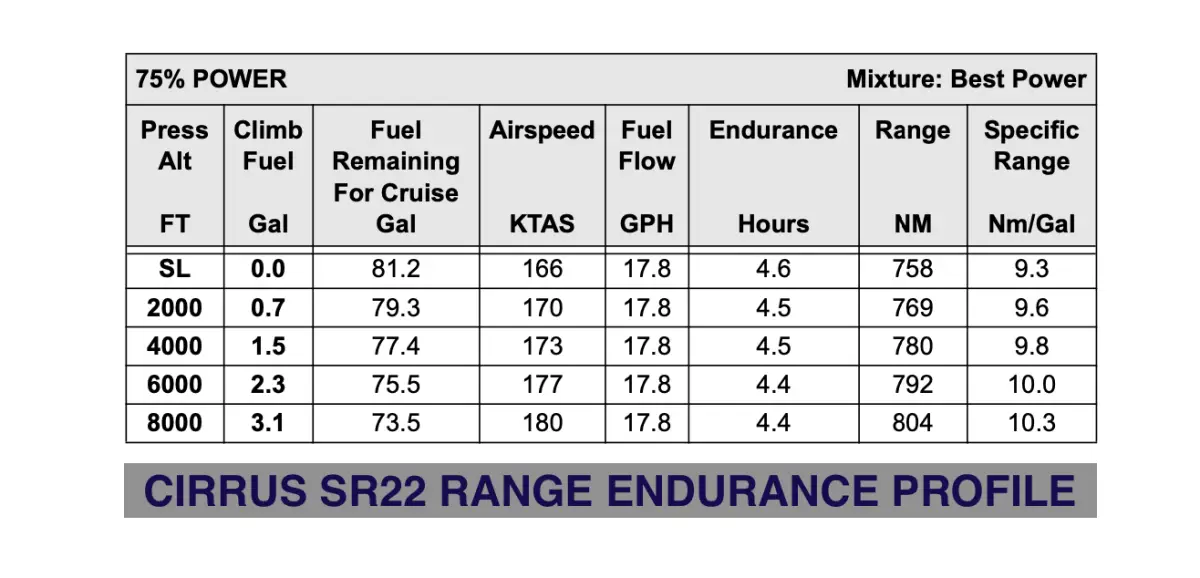
With a full fuel load, the SR22T offers a higher maximum cruise speed and better range compared to the SR22, however due to weight changes, both models might see a modification in range. With full fuel on board (92 USG), the SR22T offers an approximate range of 800 NM at 65% power, whereas the SR22 offers about 750 NM. It is important to note that variations in weight & balance, fuel load and altitudes flown, will variate and limit the range in both types and it is important to calculate the specific conditions fitting the proper needs.
The change in weight, type and conditions of runway, may modify the takeoff and landing distances for both models. The SR22T requires approximately 1,800 ft for takeoff and 1,300 ft for landing at max take off weight (MTOW). The SR22, with its shorter takeoff and landing distances, requires around 1,400 ft for takeoff and 1,100 ft for landing at max take off weight (MTOW). This makes the SR22 more suitable for shorter runways.
One of the most significant advantages of the SR22T is its higher service ceiling of 25,000 feet, compared to the SR22’s 17,500 feet. This higher ceiling can be particularly beneficial for avoiding weather and taking advantage of more favourable winds at higher altitudes.
Pilot Recommendations
For a Private Pilot License (PPL) holder flying most of the time at 10,000 ft in Visual Flight Rules (VFR) and Visual Meteorological Conditions (VMC), the Cirrus SR22 (non-Turbo) is an excellent choice. It provides very good performance at this altitude, is simpler to operate without the need for managing turbocharger systems, and offers slightly shorter takeoff and landing distances which can be beneficial for operations out of shorter airfields. Last but not least, the SR22 has lower maintenance costs.
For an Instrument Flight Rules (IFR) pilot who frequently flies above 10,000 ft, possibly in Instrument Meteorological Conditions (IMC), the Cirrus SR22T (Turbo) is the better option. The turbocharged engine maintains higher performance at all altitudes, which is crucial for safe and efficient operations in IMC and high-altitude environments. The higher service ceiling of 25,000 ft also allows for greater flexibility in flight planning and avoiding adverse weather.
Both aircraft are equipped with advanced avionics and safety features, making them suitable for both VFR and IFR operations. However, the choice between the two will largely depend on your typical airports of operation, flying conditions, altitude preferences and number of passengers.
Conclusions
When deciding between the Cirrus SR22T and the Cirrus SR22, consider your typical flying conditions and priorities. The SR22T offers superior high-altitude performance, faster cruise speeds, and a higher service ceiling, making it ideal for cross-country flights and flying in mountainous regions. On the other hand, the SR22 provides excellent performance with shorter takeoff and landing distances, making it suitable for pilots who operate from shorter runways or prefer a more straightforward flying experience.
Both models embody the luxury, safety, and advanced technology that Cirrus Aircraft is known for. Your choice ultimately depends on your specific flying needs and preferences, especially when carrying a full passenger load.

Fill out the form to request more information. We will reply as soon as possible.

This practical guide is a valuable treasure of experience and knowledge, born from years spent as a consultant in the acquisition and sale of various types and models of aircrafts. It has been conceived and created with first-time buyers of propeller or jet aircrafts in mind.
With a burning desire to provide them with a smooth entry into the world of aviation, filled with confidence and satisfaction, this guide aims to be their loyal companion on this journey.
Piazza Colombo 2A/17
16121 Genova (GE)


Programma Regionale FESR 2021-2027 – Azione 1.2.3 "Sostenere l’introduzione di pratiche e tecnologie digitali nelle imprese”
Bando “Supporto allo sviluppo di progetti di digitalizzazione nelle micro, piccole e medie imprese” - Anno 2024
